Today’s news is dominated by the aftershocks of Jensen Huang’s exit from Nvidia, and what it means for the AI startups that depended on his checkbook. Alongside that, a warning that AI is already changing ransomware even before fully automated attacks arrive, and a hands-on guide to the digital notebooks worth considering if your team still takes notes by hand.
At a glance
- Nvidia’s funding machine stalls: With Jensen Huang gone, AI startups face smaller checks and lower valuations. (TechCrunch, The Verge)
- AI is already fueling ransomware: Fully automated attacks haven’t arrived yet, but less sophisticated attackers are using AI tools to do real damage now. (WIRED)
- Digital notebooks, tested: WIRED names its six favorite smart notebooks and pens for 2026, from a $359 budget pick to a $679 top choice. (WIRED)
Nvidia’s funding machine stalls as Huang exits
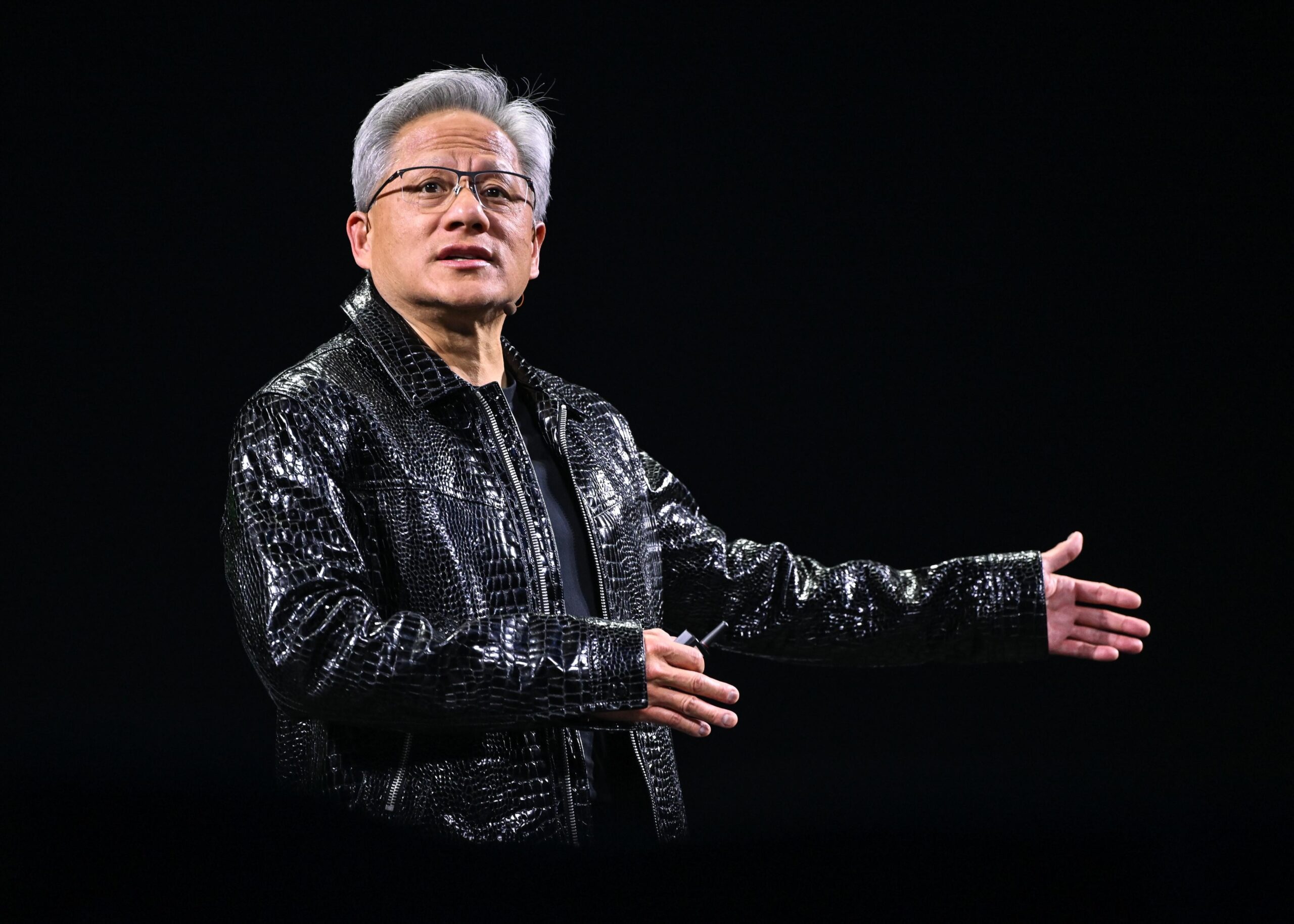
What happened: Jensen Huang, who co-founded Nvidia and led it for 33 years, has stepped down as CEO. The Verge reports his exit followed allegations around chip smuggling and personal conduct, and describes him as a founder-CEO whose showman style defined the company. Interim CEO Colette Kress is expected to take a more conservative approach, including to Nvidia’s startup investments.
The funding stakes are large. Under Huang, Nvidia poured tens of billions into AI startups every year and took part in 105 funding rounds this year alone, often as the largest investor, according to PitchBook. Its biggest bets were neoclouds, inference providers, and open-weight model companies — the expensive infrastructure layer smaller firms struggle to build alone. Nvidia backed CoreWeave while it was still private, joined two of Crusoe’s rounds including its $1.4 billion Series E, and agreed this year to buy Hugging Face for $13 billion, a deal expected to close in 2027. It also holds stakes in Mistral AI, Lambda, and Black Forest Labs, and last year wrote an $800 million check into a $2 billion Series B for Reflection AI before that startup was earning meaningful revenue.
Why it matters for teams: Nvidia’s money did more than fund startups — it set valuations. Infrastructure companies that needed $100 million to $500 million in GPUs would often raise half of that from Nvidia at valuations of $1 billion or more, and its presence on a cap table reassured other investors. Founders and VCs now expect smaller checks, lower valuations, and more selective backing, which could slow the AI vendors your team relies on or is evaluating. On the other hand, a more restrained Nvidia could leave room for rivals: Google announced two new chips this week amid the fallout, and investors expect Big Tech and other chipmakers to compete for the investment crown — though few expect them to bankroll pre-revenue infrastructure startups the way Nvidia did.
What to watch: If your roadmap depends on an AI vendor that raised on Nvidia’s backing, ask about its runway and funding plans. Expect slower dealmaking and more cautious valuations across AI infrastructure in the near term, and watch whether Google, Amazon, Microsoft, or AMD step in to fill the gap.
Based on reporting by TechCrunch and The Verge.
AI is already fueling ransomware — don’t wait for full automation
What happened: WIRED warns of a new AI-fueled ransomware boom. Fully automated ransomware hasn’t arrived yet, but seemingly unsophisticated attackers are already using AI tools to wreak havoc.
Why it matters for teams: The takeaway is that you don’t need to wait for some future fully autonomous attack to take this seriously. If attackers with modest skills can now do more damage with AI assistance, the basics matter more, not less: patched systems, phishing-resistant authentication, tested backups, and an incident response plan your team has actually rehearsed.
What to watch: Review your backup and recovery posture now, while the warning is fresh, and make sure your team knows the first steps to take if ransomware hits. The full WIRED piece is subscriber-only, but the warning itself is the point: the barrier to effective attacks is dropping.
Based on reporting by WIRED.
Digital notebooks, tested: WIRED’s six favorites for 2026
What happened: WIRED spent time testing digital notebooks — devices that combine handwriting with digital saving — and updated its favorites for November 2026. The Supernote Manta is now the runner-up pick and the Supernote Nomad is the budget pick.
Why it matters for teams: For people who think better on paper but need searchable, shareable notes, these devices sit between a paper notebook and a tablet. WIRED’s picks, with prices as WIRED reported them (prices may change):
- Best overall — reMarkable Paper Pro, $629 at reMarkable with Marker ($679 on Amazon in the Marker Plus bundle): the most paperlike writing experience, with a color screen, adjustable front light, and an optional typing accessory.
- Runner-up — Supernote A5 X2 Manta, $570 at Supernote with standard pen ($505 without pen; pen $65): the easiest-to-understand software on the list, with useful templates and WIRED’s favorite pens.
- Best on a budget — Supernote Nomad, $424 at Supernote with standard pen ($359 without stylus; pen $65): a smaller 7.8-inch travel-friendly version of the Manta, easy to repair, but no color screen.
- Best for books — Kobo Libra Colour, $330 at Kobo with stylus ($260 without stylus; stylus $70): an e-reader first, with a color screen for highlighting and writing in book margins.
- A personal favorite — Amazon Kindle Scribe (2nd Gen, 2024), $400 on Amazon and Best Buy (16 GB): one device for reading and note-taking, with an included stylus and notes accessible in the Kindle app.
- Brighter screen — TCL Note A1 Nxtpaper, $550 (8% off $600) on Amazon and TCL: a non-E Ink option that still plays video and runs apps, with Android and Google Play, a keyboard case, and a pen with a built-in eraser.
What to watch: If you’re equipping people who take handwritten notes in meetings or in the field, the Nomad is the low-cost way to test whether the format sticks, while the Paper Pro is the pick if writing feel matters most. Confirm current prices before buying, since WIRED’s figures are retailer prices at the time of writing.
Based on reporting by WIRED.
Bottom line
The AI funding landscape just got less forgiving: Nvidia’s retreat from its dealmaking spree means startups your team depends on may raise less, more slowly, and at lower valuations. Treat that as a prompt to check vendor runway, not a reason to panic — the broader AI boom isn’t stopping, and rivals are already moving in. And on security, the ransomware warning is a reminder to shore up the basics now, while AI is lowering the bar for attackers. If you’re shopping for a note-taking upgrade, WIRED’s tested list is a solid shortlist.