Today’s stories share a theme: the platforms and devices your team already uses are quietly collecting, shaping, or repackaging attention — and the rules around that are starting to change. Europe is moving against manipulative design, your office TV may be reporting on what it shows, Nvidia is facing a governance moment experts call unprecedented, and the streaming giants are all trying to look a little more like TikTok. Here’s what changed, and what it means for your team.
At a glance
- Nvidia faces a governance crisis corporate experts say is unlike anything they’ve seen — TechCrunch
- The EU’s new Digital Fairness Act targets dark patterns at Duolingo, Strava, and Ticketmaster — WIRED
- Every TV maker collects your data — one reporter asked them all 17 questions to find out how much — The Verge
- X launches its own clipping feature to spur influencer engagement — TechCrunch
- Streaming is still trying to be TikTok, and even the combined giants trail YouTube — The Verge
Nvidia’s governance crisis has experts reaching for the popcorn
What happened: TechCrunch reports that a crisis is unfolding at Nvidia, and the corporate governance experts it spoke to say nobody has seen anything like what’s happening right now. The situation is still developing, and the full details are in the original report.
Why it matters for teams: Nvidia sits at the center of nearly every team’s AI plans — its chips power the models, the cloud capacity, and the budgets behind them. A governance crisis at a supplier that important is worth watching even before the details are fully clear, because leadership instability at that scale can ripple into product roadmaps, pricing, and partnerships your team depends on.
What to watch: Read the original reporting for the developing details, and watch for any official response from Nvidia and for signs the situation is affecting its partners or customers. If your AI spending runs through Nvidia hardware or cloud capacity, keep an eye on this one.
Based on reporting by TechCrunch.
Europe’s Digital Fairness Act takes aim at dark patterns
What happened: WIRED reports that Duolingo, Strava, and Ticketmaster are all caught up in the EU’s new Digital Fairness Act, aimed at tackling so-called dark patterns on platforms and services. Under the new rules, features like winning streaks can be turned off, and influencers will be forced to reveal when they’re being paid.
Why it matters for teams: If your team ships a product, runs a marketing funnel, or works with influencers anywhere near Europe, this is a compliance signal, not just a consumer story. Streaks, nudges, and undisclosed paid promotion are standard growth tactics — and the EU is now treating some of them as manipulative design. Whatever the law requires in Europe tends to shape product decisions globally, so expect these patterns to come under review well beyond the EU.
What to watch / do next: Audit your own product and marketing for dark patterns — streaks that can’t be paused, pressure tactics, and paid influencer content without clear disclosure. If you work with creators, make sure paid posts are labeled. And watch how the named companies respond; their fixes will set the practical standard for everyone else.
Based on reporting by WIRED.
Your TV is spying on you — and not just LG’s
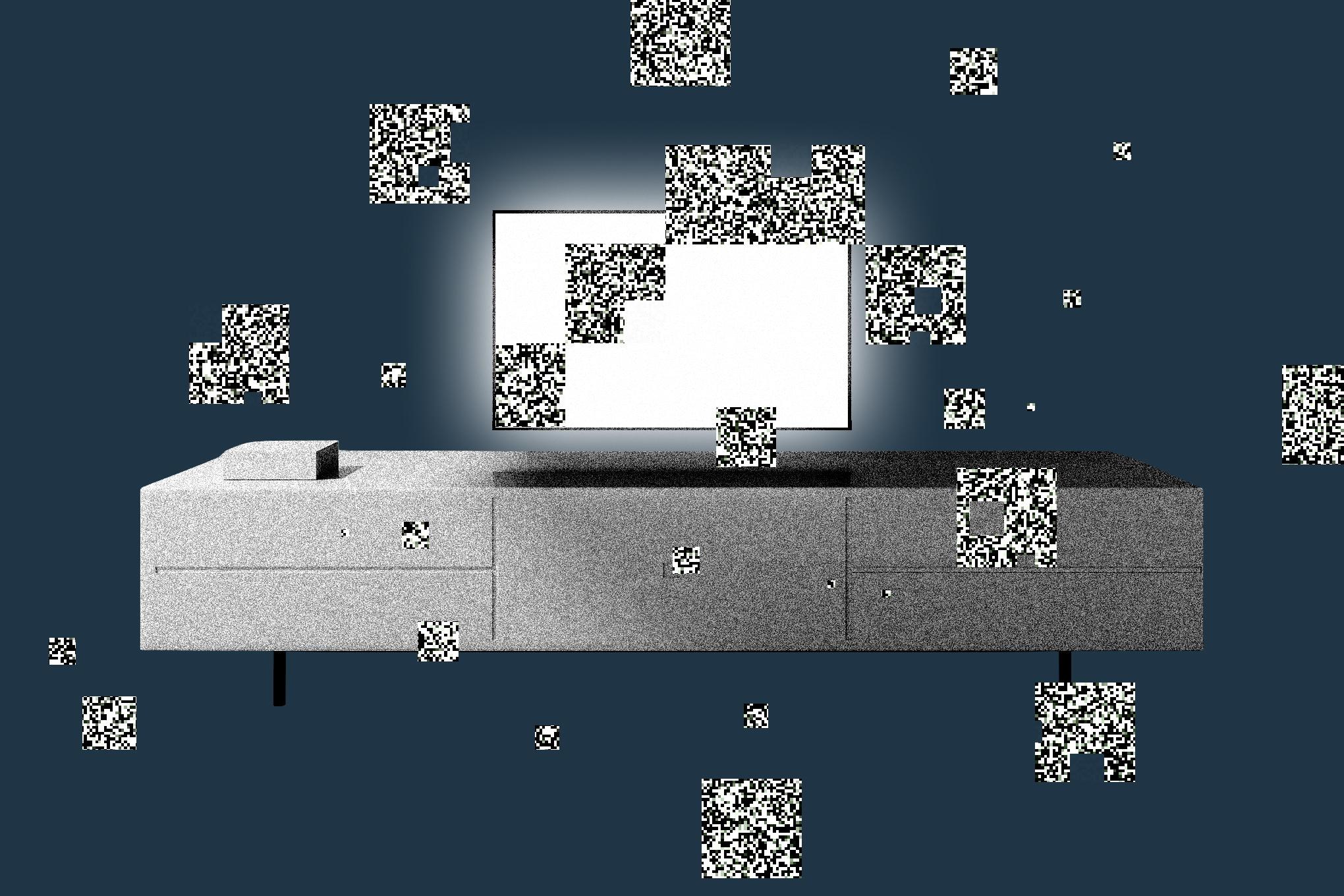
What happened: The Verge’s reporter put 17 yes-or-no questions to every TV manufacturer about what their sets actually do with your data. The finding: every TV company collects a lot of information. Some of it is necessary for the product to work, but not all of it is — and it can include details you’d rather keep private. Customers’ concerns include TVs listening to what you say, taking screenshots of everything you watch, storing sensitive information on the set, and sharing data with the cloud.
Why it matters for teams: There are TVs in your meeting rooms, lobbies, and break rooms, and many of them are smart TVs with the same data collection built in. Screenshots of what’s on screen can capture confidential slides, dashboards, and video calls. If your office displays are connected to the internet with default settings, they may be reporting back on what your team watches — and where that data goes is exactly what the 17 questions were designed to pin down.
What to watch / do next: Read the original piece for each manufacturer’s answers, then check your own office screens: review the privacy settings, turn off automatic content recognition and voice features you don’t need, and consider whether displays used for sensitive material should be on a restricted network or disconnected entirely.
Based on reporting by The Verge.
X launches its own clipping feature
What happened: X is launching its own clipping feature, jumping into the popular practice of cutting long videos into short, shareable clips that can go viral. The goal is to spur influencer engagement on the platform.
Why it matters for teams: If your team publishes video or works with creators, short clips are now the default discovery format on every major platform — and X is the latest to build the tooling in-house. That means less friction for your content to be clipped and shared, but also less control over which moments get cut and circulated.
What to watch: How creators actually use the tool, whether clipped content drives real engagement back to the originals, and whether your own long-form video is set up to be clipped well — clear hooks, self-contained segments, and branding that survives being cut down to seconds.
Based on reporting by TechCrunch.
Streaming is still trying to be TikTok
What happened: At Skydance’s first employee town hall after it acquired Warner Bros. Discovery in October, CEO David Ellison told staff that the company behind Paramount Plus and HBO Max was competing for people’s attention with some of the world’s biggest tech companies. Months earlier, he’d singled out a way to get viewers to spend more time with Paramount’s programming: a feed of short vertical videos, which he called “critical to our future.” On Skydance’s earnings call Monday, Ellison put a name to the competition — add up all of Paramount’s and Warner Bros. Discovery’s broadcast, cable, and streaming properties, he said, and they still trail YouTube.
Why it matters for teams: The attention economy is now the whole game for media companies, and short vertical video is the format everyone is chasing. For teams that produce content, sponsor it, or advertise against it, the takeaway is that the biggest media houses in the world are reorganizing around the same short-form feed your audience already lives in. The distribution landscape keeps tilting toward clips, not shows.
What to watch: Whether Paramount’s short-video push actually moves viewing time, and how YouTube responds to a rival that is openly measuring itself against it. For your own content strategy, the signal is consistent: short, vertical, and feed-native keeps winning.
Based on reporting by The Verge.
Bottom line
Today is a reminder that the devices and platforms around your team are not neutral. Your TV may be reporting what it shows, European regulators are rewriting the rules for the design tricks your product or marketing may rely on, and the biggest media companies are rebuilding themselves around short video because that’s where attention went. The practical moves are unglamorous but concrete: check the privacy settings on your office screens, audit your product for dark patterns, and make sure your video content works as a clip, not just as a full-length piece. And keep an eye on Nvidia — a governance crisis at the heart of the AI supply chain is not something to file away.