At a glance
- Nvidia’s leadership crisis deepens — new questions about what its security team knew, and a petition to bring back Jensen Huang passes 115,000 signatures. (TechCrunch, The Verge)
- SpaceX catches Starship itself with the “Mechazilla” tower for the first time. (The Verge)
- AI DJs are losing the room — synthetic hosts on YouTube Music and Spotify are serving up stilted banter and wrong song facts. (WIRED)
Nvidia’s leadership crisis kept unfolding this weekend, with fresh questions about what its security operation knew — and a petition signed by Elon Musk and other tech executives calling for Jensen Huang’s return. Elsewhere, SpaceX pulled off a first-of-its-kind rocket catch, and AI-hosted playlists are testing listeners’ patience. Here is what matters for your team.
Nvidia’s fallout widens: security questions and a petition to bring Huang back
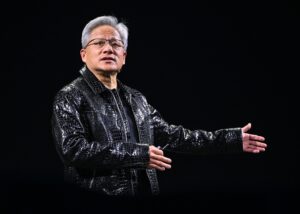
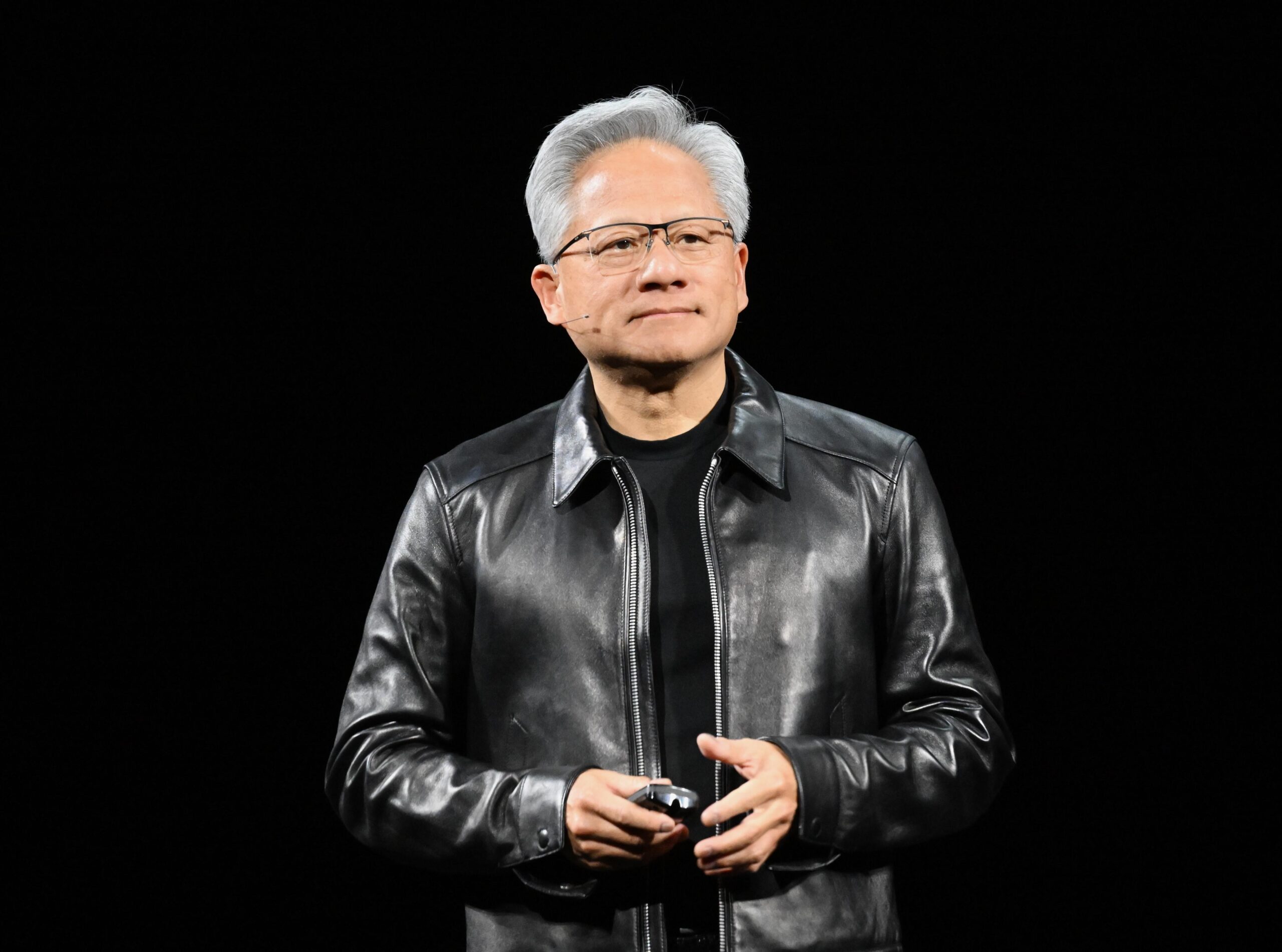
What happened: Nvidia’s security chief quietly left the company in August, weeks before chief executive Jensen Huang stepped down. Huang’s departure followed a New York Times report on October 29 that he appeared to be the target of a Chinese spy plot, and questions about his relationships — including one with an executive at a company suspected of funnelling chips to China. A former intelligence officer told TechCrunch the leak ran through everyday conversations, the kind of channel most corporate security teams are poorly equipped to catch. Meanwhile, a petition calling on Nvidia to reinstate Huang — signed by Elon Musk and other tech executives — had attracted more than 115,000 signatures as of Saturday afternoon. The Verge’s recap traces how the crisis built from the first report to Huang’s resignation.
Why it matters for teams: This is an insider-risk story, not just a boardroom drama. The alleged leak moved through ordinary conversations and personal relationships, not a breached firewall — the hardest kind of exposure for a security team to monitor. It is also a governance lesson: when a supplier sits at the centre of your AI infrastructure, its leadership and export-compliance problems become your supply-chain risk. And with Nvidia’s security chief gone months before the story broke, the company faced the crisis with a gap at the top of its security function.
What to watch: Whether Nvidia’s board responds to the reinstatement petition; what replaces the departed security leadership; and whether regulators and customers push for more detail on how chip-export rules were policed inside the company. If your roadmap depends on Nvidia hardware, keep a close eye on any further leadership or supply disruption.
Based on reporting by TechCrunch, TechCrunch and The Verge.
SpaceX catches Starship with the “Mechazilla” tower
What happened: After aborting a planned catch of Starship Flight 15’s booster, SpaceX successfully captured the Starship vehicle itself with the arms of its “Mechazilla” launch and catch tower. The company had caught its Super Heavy boosters this way before, but this is the first time the manoeuvre has worked on the Starship vehicle. SpaceX chief executive Elon Musk had said on the company’s third-quarter earnings call that success was “more likely than not” on the next flight. It was not a complete success — the company was unable to recover the entire launch vehicle.
Why it matters for teams: The catch is a milestone for reusable spaceflight, and a case study in iteration speed: an aborted attempt one flight, a successful catch the next. For engineering-led teams, it is a reminder that public, fast test cycles can turn a miss into a first within weeks — provided the organisation treats each failure as data rather than embarrassment.
What to watch: The next flight test, and whether SpaceX can recover the full vehicle. Full reusability is what would change launch economics for satellite operators and their customers.
Based on reporting by The Verge.
AI DJs are killing the vibe, one wrong fact at a time
What happened: YouTube Music and Spotify are rolling out synthetic hosts to introduce songs and curate playlists. Listeners are reporting stilted banter and invented song trivia — AI presenters that sound confident and get the details wrong.
Why it matters for teams: This is a small, vivid warning for any team shipping AI-generated content to customers. Plausible-sounding output that invents facts erodes trust fast, and in a customer-facing product the damage lands on your brand, not the model. The fix is the same one that applies everywhere AI writes for you: treat generated output as a draft, keep a human in the loop, and verify facts before they reach an audience.
What to watch: Whether the streaming services tune the hosts, add fact-checking, or quietly scale the experiment back — and apply the same test to your own AI content tools before they go live.
Based on reporting by WIRED.
Bottom line
The Nvidia story is the one to watch this week: governance, insider risk, and export compliance questions at the company that sits at the centre of enterprise AI — and no sign the story is finished. SpaceX shows what rapid iteration buys when a team learns in public, and the AI DJs show the opposite failure mode: shipping synthetic content without a human check. One to act on now: if your team publishes anything AI-generated, make sure a person verifies it first — your listeners, like Spotify’s, will notice when you don’t.