
Today’s news is a useful mix of money, workplace tools, and platform rules. A new fund is backing early-stage AI and fintech startups in Europe, Apple is testing watch features that rewind and recap conversations, and the App Store is tightening how it rates apps that involve dating, companions, or location sharing. Add in Apple’s latest standard earbuds, and there is something here for founders, IT leaders, and anyone buying gear for a team.
At a glance
- A $17M debut fund for European startups — Evertrue Capital, led by Yvonne Bajela, is backing early-stage AI and fintech (TechCrunch).
- Apple Watch AI features enter beta — Audio Intelligence aims to help users remember what was said and take notes on conversations (TechCrunch).
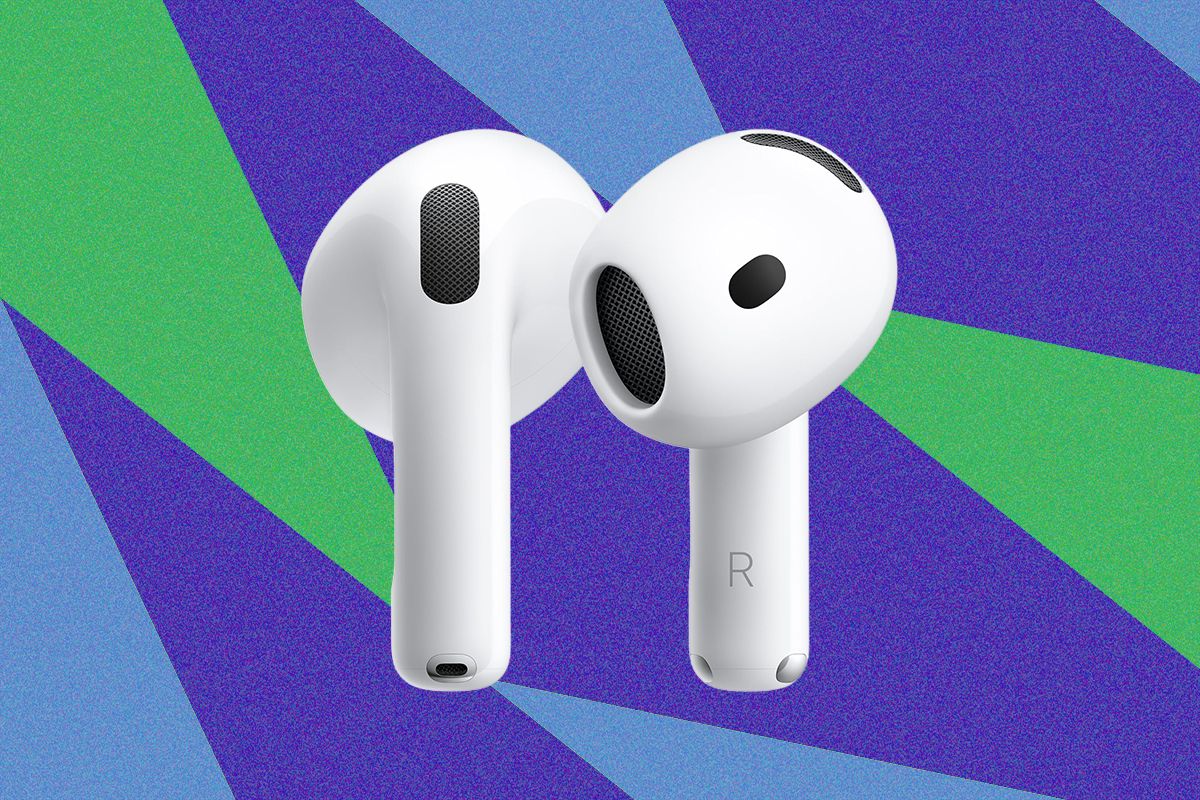
- AirPods 5: noise cancelling goes standard — Apple has made ANC standard across the AirPods lineup, raising the question of whether the Pro model is still worth the step up (WIRED).
- Apple tightens App Store age ratings — dating and romanceable chatbot features will be rated 18+, with new declarations for location sharing (The Verge).
A $17M debut fund for Europe’s AI and fintech startups
What happened: Yvonne Bajela is bringing $17M in fresh capital to Europe’s startup scene through Evertrue Capital’s debut fund, which is aimed at early-stage AI and fintech companies.
Why it matters for teams: Early-stage funding is often where tomorrow’s vendors are found. For business and IT leaders, a fund focused on AI and fintech is worth watching less for the headline amount than for the pipeline it creates: new tools for automation, payments, and financial operations tend to reach buyers first through startups like the ones this fund plans to back.
What to watch / do next: Keep an eye on which companies Evertrue backs and what problems they solve, rather than treating every funded startup as a ready-made vendor. Pilot new AI and fintech tools with clear success criteria, and check data handling and security before any wider rollout.
Based on reporting by TechCrunch.
Apple Watch tests AI features that rewind and recap conversations
What happened: Apple’s new Audio Intelligence features for Apple Watch have begun beta testing. As described, they can help a wearer remember what someone said or take notes on conversations.
Why it matters for teams: A watch that can recap a conversation sounds handy for busy managers — until consent, accuracy, and record-keeping enter the picture. Teams should treat any conversation-recap tool as a policy question first and a productivity feature second: who was recorded, who agreed to it, where the notes go, and how accurate the recap is all matter more than convenience.
What to watch / do next: Wait for the beta to clarify exactly how these features work before adopting them for work use, and set a simple rule in the meantime: do not rely on an AI recap as the official record of a decision, and do not use conversation capture where consent or local rules are unclear. If the feature proves reliable, it could still be useful for personal follow-ups — with those guardrails in place.
Based on reporting by TechCrunch.
AirPods 5: better than before, but not quite Pro
What happened: WIRED’s review of the Apple AirPods 5 notes that Apple has finally made active noise cancelling (ANC) standard across the AirPods lineup, while still asking whether buyers should spring for the AirPods Pro 3 instead.
Why it matters for teams: Earbuds are work equipment for many remote and hybrid staff: calls, focus time in open offices, and travel all depend on them. Standard ANC in the base lineup lowers the bar for a decent everyday pair, but the Pro question remains a practical one — fit, call quality, and comfort over a full workday can matter more than a spec sheet.
What to watch / do next: If you standardize earbuds for staff, test them on real calls and in real noisy rooms before buying in bulk, and check fit and battery life across a full day. The cheapest option that works well on calls is usually the right team buy; the premium model only earns its place if staff can point to a concrete difference.
Based on reporting by WIRED.
Apple restricts dating apps and romanceable chatbots to over-18s
What happened: Apple will soon ask developers to provide more details about their apps to enforce new App Store age-rating requirements for dating and location-sharing features. Under the upcoming content descriptors announced on Monday, developers will have to declare if their apps let users share their real-world location with others, or include features that enable dating, relationship, or sexual behaviour between real people or virtual companions. Apps with dating and relationship features will receive a minimum age rating of 18, while location sharing will affect the minimum age rating in some regions.
Why it matters for teams: This is a compliance and product-governance story as much as a consumer one. Any organization that builds, buys, or manages apps — especially those with chat, companion, or location features — needs to know how its products will be classified, and what declarations will be required. Age ratings also affect distribution: an 18+ rating can change who can find, download, or use an app in managed environments.
What to watch / do next: If your team ships an app, audit its features against the new descriptors now: dating or companion features, and any real-world location sharing. Update your App Store metadata and internal compliance notes before the requirements take effect, and check how an 18+ rating would affect users on managed devices or in education and family settings.
Based on reporting by The Verge.
Bottom line
Two threads run through today’s roundup. First, AI is moving closer to everyday work — into funding, into wearables, and into the tools teams buy — but it still needs human checks on accuracy and consent. Second, platform rules keep shifting under app makers, so product and compliance teams should treat App Store declarations as part of the release process, not an afterthought. Fund the experiments, test the gear, and read the rules before they read you.