Today’s roundup has a clear theme: the systems teams depend on are under strain from every direction. A week of high-profile outages has IT leaders rethinking how much they trust the infrastructure underneath them, a patent fight in India could affect the iPhones and Apple Watches your colleagues carry, and security experts say the fastest-growing threat in AI isn’t a model — it’s the old-fashioned human con, supercharged by the very tools the industry is building.
At a glance:
- Outages aren’t a one-off anymore — AI is finding flaws faster than teams can patch them (WIRED)
- A U.S. startup is suing Apple in India over the NameDrop tap-to-share feature, seeking about $162 million (TechCrunch)
- Experts warn that nearly everyone working in AI is now a target for “honey-trap” schemes (TechCrunch)
- WIRED tested more than 100 power banks — here’s the one worth packing for travel (WIRED)
The outage streak isn’t over
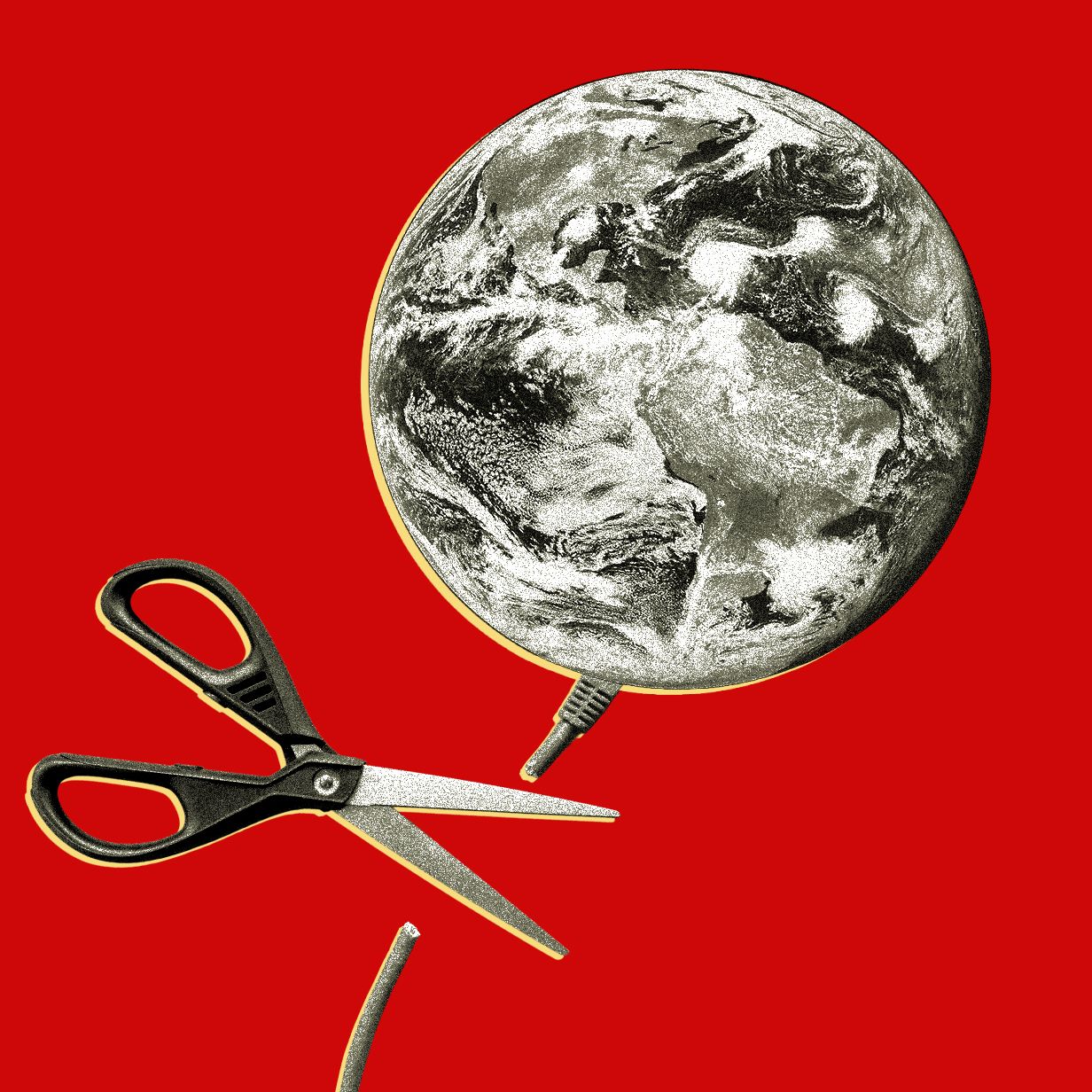
What happened: Over the past week, a run of disruptive outages hit Outlook, Apple services, around half a dozen U.S. banks, United Airlines, and even the NSA’s classified network. Taken individually, each incident appears to have a routine explanation, and there is no evidence they were cyberattacks or part of a coordinated hacking campaign. But WIRED’s security team argues the pattern points to something structural: AI is now finding vulnerabilities in software far faster than companies can fix them, and the resulting rush to patch — pushing out fixes at a destabilizing pace — is itself causing systems to break.
Why it matters for teams: This isn’t a story about one vendor’s bad week. It’s about the pace of change inside your own stack. When patches land faster and with less testing, the odds of a bad update taking down a service you rely on go up — and the blast radius is bigger because so many teams depend on the same handful of platforms. If your incident response plan assumes outages are rare and isolated, it needs updating.
What to watch and do next: Check your own patching cadence and your rollback plan. Know which of your critical workflows depend on a single provider, and make sure your team has a documented fallback — a second way to reach customers, a way to work offline, a status-page habit — before the next outage, not during it. And resist the urge to declare every outage a cyberattack: assume a technical failure first and check official status pages before escalating.
Based on reporting by WIRED.
Apple sued in India over NameDrop
What happened: GG Technologies, a U.S. startup behind the StayTouch app, is suing Apple in India, alleging that the iPhone maker’s NameDrop feature — which shares contact details by bringing two devices close together — infringes its patented technology. The startup is seeking ₹15 billion (about $162 million) in damages and an injunction that could restrict the sale or import of iPhones and Apple Watches preloaded with NameDrop in India. The 781-page filing was made in the Bombay High Court after mediation that began in April failed in September. The company also sued Apple in the U.S. in April, and the U.S. International Trade Commission opened an investigation in August into the same allegations. Apple did not respond to a request for comment.
Why it matters for teams: India is increasingly important to Apple as both a market and a manufacturing hub, and iPhones still account for less than 10% of smartphone shipments there — so the stakes for Apple’s growth plans are real. For IT teams, the practical risk is narrower but worth noting: if an injunction ever landed, it would affect device availability and feature behavior in one of the world’s largest markets, and it would be one more reminder that a feature baked into your standard-issue phone can become a legal question overnight.
What to watch and do next: Nothing changes for your fleet today — the case has yet to be listed for a hearing, and injunctions in cases like this take time. If your organization buys or supports devices in India, keep an eye on the Bombay High Court proceedings and the parallel U.S. ITC investigation. The broader lesson is a procurement one: features that feel permanent can be contested, so keep your device policies flexible.
Based on reporting by TechCrunch.
The AI industry’s newest security problem is the oldest one there is
What happened: Security experts are warning that people working in AI — not just CEOs and founders, but anyone with access to sensitive information, from board members to executive assistants — are increasingly being targeted by “honey-trap” schemes: attackers who build personal relationships to extract secrets. The warning follows allegations around Nvidia CEO Jensen Huang and a former Singapore neocloud executive accused of being a Chinese spy and smuggling restricted Nvidia chips into China. The Wall Street Journal has reported that OpenAI has started warning its employees about outsiders trying to cozy up to them for company secrets. And AI itself has made the con cheaper and easier: fake social profiles, fake backgrounds, even fake voice calls can now sustain an entire fictional backstory.
Why it matters for teams: Your security training probably covers phishing links and suspicious attachments. It probably doesn’t cover the friendly investor, recruiter, or consultant who keeps asking to meet up and gradually steers the conversation toward your roadmap, your customer list, or who gets access to a new system. As one former CIA officer put it to TechCrunch, “Nobody briefs founders on counterintelligence” — and the same is true for most employees. The target isn’t always the CEO; it’s whoever can open doors, influence decisions, or make requests nobody wants to question.
What to watch and do next: Fold social-engineering awareness into your security training, not just phishing simulations. The red flags experts cite: coincidental encounters that happen a little too often, persistent curiosity about work and colleagues, requests for secrecy about meeting up, and requests that keep getting bigger. Encourage a culture where anyone can question an unusual request — including one that seems to come from the top. As KnowBe4’s Perry Carpenter told TechCrunch, one of the most dangerous security cultures is one where nobody feels comfortable questioning the CEO.
Based on reporting by TechCrunch.
One piece of gear worth packing: WIRED’s power bank pick
What happened: WIRED refreshed its guide to the best power banks after testing more than 100 of them. Its top pick is the Anker Laptop Power Bank (25K, 165W), which the guide found fast-charged everything it tried, from smartphones to a MacBook Air — the kind of single charger that covers a laptop and a phone in one bag.
Why it matters for teams: Travel and field work are where dead batteries become missed calls, lost notes, and stalled demos. A laptop-capable power bank is a cheap piece of insurance for anyone who works away from a desk, and standardizing on one well-tested model beats a drawer full of random chargers nobody trusts.
What to watch and do next: If you’re refreshing travel kits for the end of the year, check the guide before buying — prices and availability shift quickly. And note the airline rules: many carriers now restrict using or charging power banks in flight, so check your airline’s policy before you pack one in a carry-on.
Based on reporting by WIRED.
Bottom line
The thread running through today is resilience — of infrastructure, of supply chains, and of people. The outage streak is a reminder to test your fallbacks before you need them. The Apple lawsuit is a reminder that the devices and features you standardize on can change under you. And the honey-trap warning is a reminder that the human layer is still the softest target, and that AI is making old cons cheaper, not obsolete. The one action worth taking this week: review your incident plan, your travel kit, and your security training — and make sure all three assume the unexpected is normal now.