Today’s news is a reminder that the tech your team depends on is shaped as much by boardrooms and courtrooms as by product launches. Nvidia’s leadership troubles continue to unfold, a design-industry giant faces serious workplace allegations, autonomous vehicles take a real step toward the mainstream, and a privacy-first challenger wants a piece of your inbox.
At a glance
- Nvidia’s governance crisis deepens: CEO Jensen Huang reportedly told the board about more affairs than the two already reported. (TechCrunch)
- Figma sued by an employee: a current employee alleges sexual harassment and discrimination, and says the company made her confront her harassers. (TechCrunch)
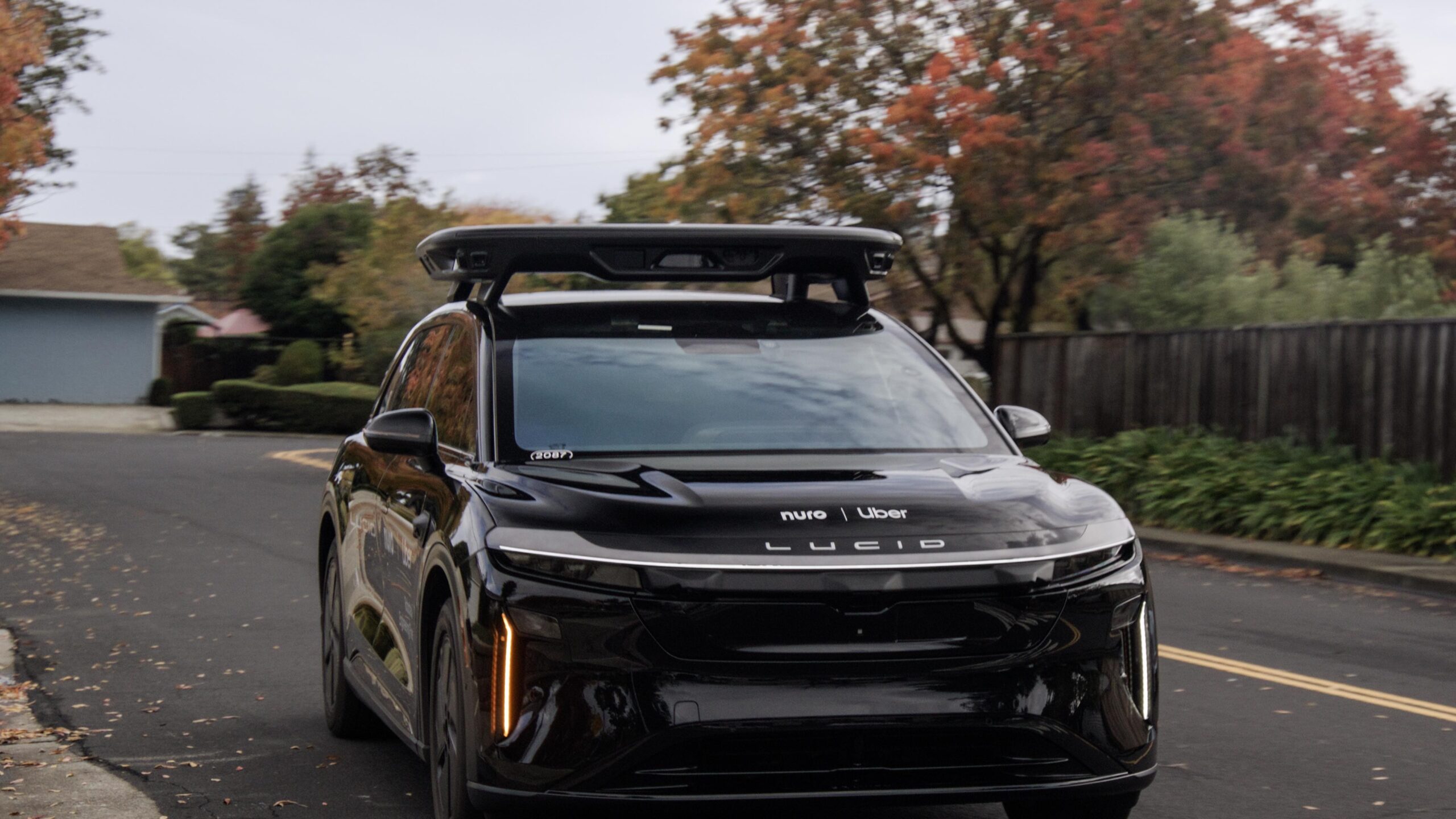
- Driverless robotaxis hit public roads: Uber, Nuro, and Lucid begin fully driverless testing in the San Francisco Bay Area. (The Verge)
- Kagi takes on Gmail: the paid search alternative launches a public beta of Kagi Mail, an ad-free, surveillance-free email service. (The Verge)
Nvidia’s CEO reportedly admitted to more affairs in a board meeting
What happened: Nvidia chief Jensen Huang admitted to more than two affairs during a meeting with the company’s board before his reinstatement, according to The Wall Street Journal. The affairs he acknowledged went beyond the two that had already been reported in the news.
Why it matters for teams: Nvidia’s chips power most of the AI infrastructure modern teams are building on, so leadership stability at the company is a business concern, not just a headline. A governance crisis at the top of a key supplier is worth watching the same way you’d watch a pricing change or a product delay — it can affect strategy, partnerships, and investor confidence.
What to watch: whether Nvidia’s board takes further action, and whether the company issues any public statement. Treat the reporting as it stands: the details come from the Journal’s account of a private meeting, not from a company announcement.
Based on reporting by TechCrunch.
A Figma employee is suing the company and its CEO
What happened: A current Figma employee is suing the company and its CEO, alleging sexual harassment and discrimination. The employee alleges the company forced her to confront the people she says harassed her.
Why it matters for teams: This is a story about process as much as it is about one company. How harassment reports are handled — who a complaint goes to, whether the complainant is kept separate from the accused, and whether confronting an alleged harasser is ever part of the process — is something every team should be able to answer clearly. If your own reporting channel has gaps, a story like this is a useful prompt to review it before a complaint forces the issue.
What to watch: Figma’s public response and how the case develops. The allegations are unproven at this stage; what matters for your team is the process question, not the verdict.
Based on reporting by TechCrunch.
Uber, Nuro, and Lucid start fully driverless robotaxi testing
What happened: Uber, Nuro, and Lucid have begun fully driverless public road testing in the San Francisco Bay Area, with employee-only rides starting shortly after. The vehicles are Lucid Gravity SUVs with no human safety operator behind the wheel. The three companies first announced the alliance in July 2025, and a public launch is now slated for early 2027 — a slight slip from the earlier plan. The move marks Uber’s return to autonomous ride-hailing after it abandoned its own in-house efforts years ago.
Why it matters for teams: Driverless ride-hailing is moving from demos to real roads, and that changes the math for employee travel, fleet planning, and logistics in the cities where it launches. Removing the safety operator is the milestone that matters: it means the companies believe the system is ready to be judged on its own driving, not on a human backup.
What to watch: the safety record during this testing phase, whether the early-2027 public launch holds, and which cities come next. If your team operates in the Bay Area, employee-only rides could be an early, low-risk way to see the service up close.
Based on reporting by The Verge.
Kagi launches a public beta of Kagi Mail
What happened: Kagi, which already offers a paid alternative to Google Search and its own Orion browser as a rival to Chrome, has launched a public beta of Kagi Mail, an email service pitched as having “no surveillance, no ads, open standards, and no lock-in.” It comes with an @kagimail.com address, unlimited aliases and domains, 50GB of storage, and a built-in calendar. Contacts and an address book are on the roadmap for Q1 2027, but native mobile apps are not expected until Q3 2027.
Why it matters for teams: Email is the one Google service many privacy-conscious teams would most like an alternative to, and Kagi is now a credible option to evaluate — paid, ad-free, and built around the idea that the user is the customer, not the product. But this is a beta, and the missing mobile apps and address book are real gaps for a team that lives on its phones.
What to watch: try the beta with a single mailbox before considering any migration, and watch for team pricing and admin controls. Do not move a team’s email to a beta service.
Based on reporting by The Verge.
Bottom line
Two of today’s stories are about accountability — at the top of the AI industry’s most important supplier, and in the workplace processes of a major SaaS company. The other two are about momentum: driverless vehicles are now driving themselves on public roads without a human backup, and a privacy-first email service is ready for early adopters to kick the tires. The actionable items: if your team runs on Nvidia hardware or Figma, note the governance and workplace questions and watch for official responses; if you travel or run fleets in the Bay Area, keep an eye on the robotaxi launch timeline; and if you’ve been looking for a Gmail alternative, Kagi Mail is now worth a trial inbox — not a migration.