At a glance
- Anthropic’s early backers turned billion-dollar bets into a record IPO — and developer love for Claude was the tell. (TechCrunch)
- Nvidia is lending its AI hardware to a brain-computer interface that decodes speech — starting with a cart of electronics, ending in a phone. (WIRED)
- Motorola’s unannounced Moto Tag 3 is already listed for sale on Amazon. (The Verge)
- Samsung’s 1,100Hz Odyssey G6 gaming monitor arrives next month for $899.99 — if your eyes can keep up. (The Verge)
AI dominated today’s news cycle, and the through-line is infrastructure: who builds the models, who builds the chips that run them, and what happens when that compute reaches the edges — including, quite literally, the human brain. The hardware stories are smaller, but they tell you where consumer tech is heading next.
Anthropic’s backers bet billions before the IPO — and won big
Anthropic raised $81.3 billion in what TechCrunch calls the largest IPO in history, reaching a fully diluted valuation of about $1.5 trillion before its shares began trading. The windfall lands on investors who backed the company when the bet looked anything but safe.
Notable Capital, formerly GGV Capital, put roughly 10% of the U.S. portion of its $1 billion-plus fund into Anthropic’s Series E, when the company was valued at $61.5 billion and still trailing OpenAI. The firm’s conviction came from its own numbers: developers were choosing Claude over ChatGPT about 70% of the time, a reversal from the previous year. Singapore’s sovereign wealth fund GIC invested more than $4.5 billion across three rounds — Series F, Series G, and the pre-IPO round — ending up with about a 1% stake. Baillie Gifford put in $1.5 billion across three rounds after concluding Anthropic was executing consistently while generating strong revenue and compelling gross margins.
Why it matters for teams: The investor story is really a developer story. The funds that made the biggest bets all pointed to the same signal: working developers had already picked Claude, and enterprise adoption followed. When you’re choosing an AI vendor or standardising on a coding assistant, that kind of bottom-up adoption is a stronger signal than any benchmark. The IPO also cements Anthropic as a durable, independent counterweight to OpenAI — good news for any team that wants a second source for frontier models rather than a single point of failure.
What to watch: Whether Anthropic’s public-market discipline changes its product pace, and whether the “developer first” momentum holds as rivals ship their own coding tools. If your stack leans heavily on one model family, now is a good time to check how portable your prompts and integrations really are.
Based on reporting by TechCrunch.
Nvidia is powering a brain-computer interface
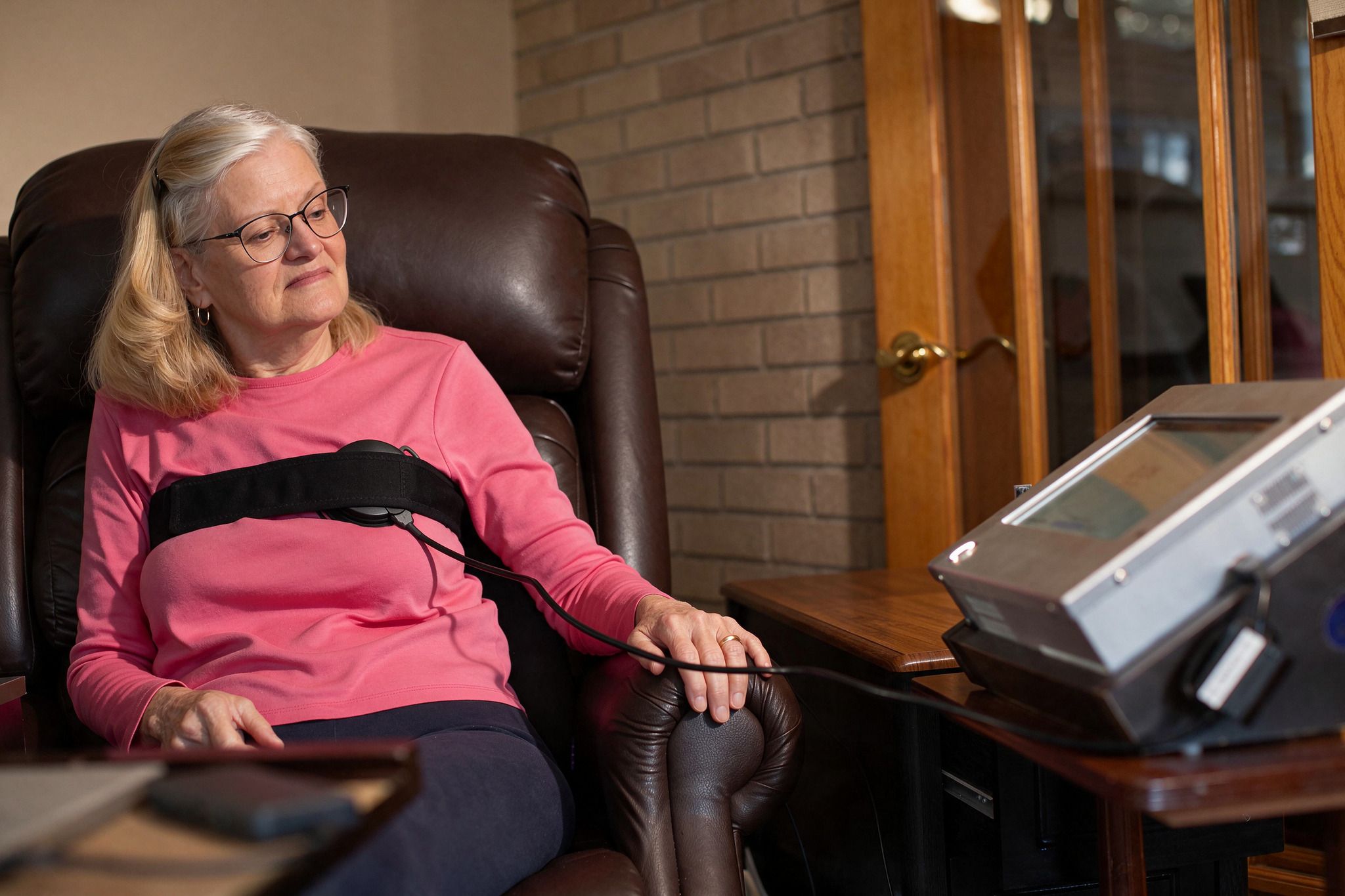
Paradromics, an Austin-based brain-computer interface company, announced a partnership with Nvidia to use the chipmaker’s hardware and software to process brain data. Its implant uses more than 400 embedded electrodes to capture neural signals, and AI models decode what the wearer is trying to say.
Today, that decoding still requires a cart full of electronics. Within about a year, Paradromics says that will shrink to a small box that sits on a wheelchair — and eventually to something phone-sized. The plan is to run the work on Nvidia’s Jetson, a low-power computing module, and to use Holoscan, Nvidia’s AI sensor-processing software, so the interface can respond with low lag and combine neural signals with context from cameras and microphones. Nvidia is working with other brain-computer interface companies, including Synchron, and says it will not have access to brain data through these partnerships.
Why it matters for teams: This is still medical technology, not workplace technology — but it is a clear preview of where edge AI is going. The same low-power, real-time inference stack that decodes speech from neural signals is the stack that will run on-device AI in clinics, factories, and field equipment. If your organisation handles health data, the data-governance questions here are worth watching closely: neural data is about as sensitive as data gets, and the rules around it are still being written.
What to watch: Clinical progress and regulatory milestones for the Connexus implant, and whether Nvidia’s health-care push turns into a broader platform play for medical AI at the edge.
Based on reporting by WIRED.
Motorola’s Moto Tag 3 is on Amazon before Motorola has announced it
Motorola’s unannounced Moto Tag 3 tracker has been listed for sale on Amazon UK, just five months after the Moto Tag 2 went on sale in the US. The listing, spotted by X user @matteventu, shows the tracker in a “Pantone Lucent White” colour option at £24.96 (about $33), with a 1–4 month shipping estimate. A second image shared by leaker Evan Blass shows a purple version described as “Pantone Indigo Blue” on an Amazon Italy listing.
Why it matters for teams: Bluetooth trackers have quietly become office infrastructure — attached to shared equipment, laptop bags, keys, and demo kits. A new generation at a low price point is worth noting if your team already standardises on Google’s Find Hub network, which Motorola’s tags use. But an early retail listing is not a launch: specs, battery life, and availability could all change before Motorola says anything official.
What to watch: Motorola’s official announcement, and whether the Tag 3 brings meaningful upgrades over the Tag 2 or is mostly a colour refresh.
Based on reporting by The Verge.
Samsung’s 1,100Hz gaming monitor ships next month for $899.99
Samsung’s Odyssey G6 G60H, a 27-inch gaming monitor with a 1,100Hz refresh rate, rolls out next month for $899.99. It narrowly edges out LG’s UltraGear 25G590B, which tops out at 1,000Hz — though the Samsung only hits 1,100Hz at 1080p; at 1440p the refresh rate drops to 600Hz. The monitor was first teased in December 2025 and got a pre-release spec bump in August.
Why it matters for teams: For most office and creative work, this is a spec-sheet race, not a productivity upgrade — the value of refresh rates far beyond 240Hz is genuinely debatable, even for gamers. But it matters as a procurement signal: ultra-high-refresh panels are getting cheaper, and the same display technology will filter down into monitors your team actually buys. If you’re refreshing workstations, spend the money on resolution, colour accuracy, and ergonomics first; refresh rate is a long way down the list.
What to watch: Reviews once the monitor ships, and whether rival makers answer with their own 1,100Hz panels or decide the race has peaked.
Based on reporting by The Verge.
The bottom line
Today’s news is a reminder that AI’s centre of gravity keeps shifting toward the people who actually use the tools: developers picked Claude before the money did, and Nvidia is betting that real-time AI belongs on small devices close to the user — even inside the body. The hardware launches are incremental, but the pattern is consistent: more compute, smaller packages, lower prices. For teams, the practical move is the same as ever — standardise on tools your people already prefer, keep your AI integrations portable, and don’t buy a monitor for a number your eyes can’t see.