Today’s tech news has a clear through-line: the interesting work is happening at the edges. A startup shipped a speech model small enough to run on the devices you already own, another raised $10 million to make simulated worlds realistic enough to train robots, and Apple rolled out a wave of new hardware that leans into touchscreens and on-device intelligence. Here is what matters for your team.
At a glance
- A 32MB speech model that runs offline — Underdog’s Woof generates speech and music in the browser, no internet needed. (TechCrunch)
- $10M to close the sim-to-real gap for robots — Physicl turns its 3D rendering pipeline into synthetic training data for physical AI. (TechCrunch)
- Apple’s hardware wave lands — a touchscreen MacBook Pro, an OLED iPad mini, an M6 iMac, and more, with creative workflows front and center. (Mashable)
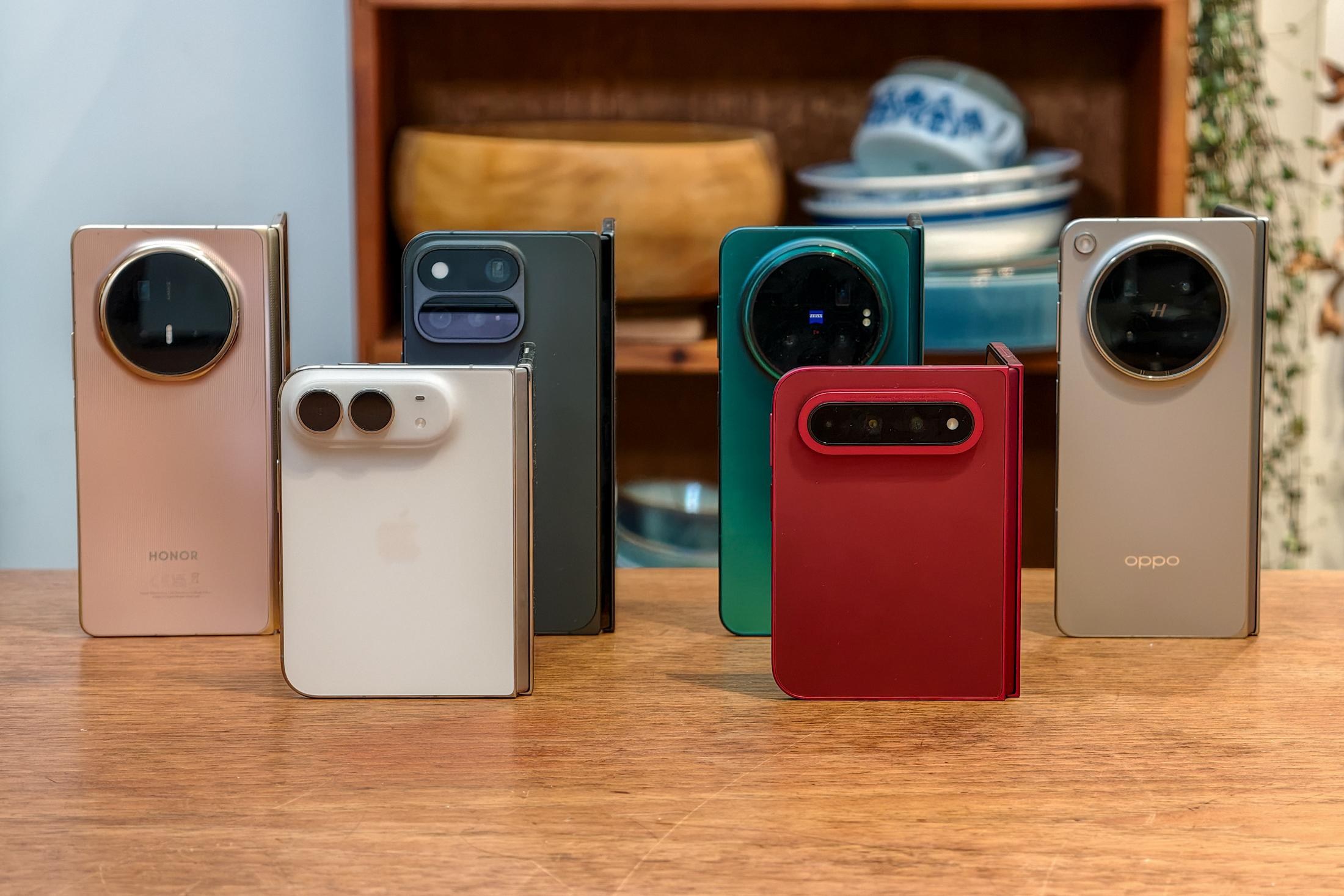
- Apple’s first foldable, put to the test — after a week and a half with the iPhone Duo, the cover display is the weak spot versus Samsung and Xiaomi foldables. (The Verge)
A speech model the size of a photo
Underdog, a startup building local-first AI, has shown off a voice model called Woof that is only 32MB — about 31 million parameters — and can generate both speech and music. The demo is a small browser game: you type on a virtual typewriter and the game speaks your words back, or turn a tuner to generate different kinds of music. Everything runs in the browser, and the company says the model can run on most devices without any internet connection. The model is open for anyone to download.
Why it matters for teams: the race in AI has mostly been about bigger models in bigger data centers, but the practical shift for business is the opposite direction — small models that run on the hardware people already have. A 32MB speech model is light enough for local assistant experiences, on-device dictation, and personalized audio, without sending voice data to a cloud provider. That is a privacy and cost story as much as a capability story: no API bill per call, and sensitive audio never leaves the device.
What to watch: small does not mean equal. TechCrunch notes the model likely will not replace bigger models, but it may be enough for focused local jobs. Underdog previously launched Bark, a 167MB speech-to-text model for transcription and dictation, and has also released a 27-billion-parameter model that runs on laptops, plus a waitlisted app positioned as a locally hosted alternative to cloud assistants. If your team handles voice data under privacy constraints, this is the class of model to pilot — and the founder’s framing is worth noting: he built it because he wanted AI that runs on users’ devices and lets them own their data.
Based on reporting by TechCrunch.
Physicl raises $10M to make simulated worlds real enough for robots
Physicl has raised $10 million in seed funding from Inovia Capital to help world-model designers and robot builders solve a stubborn training problem: simulations are a promising way to train robots, but making those simulated worlds faithful to real-world physics has proven difficult. Founder and CEO Alex de Vigan previously spent a decade building nfinite, a company that made it easy for brands to create 3D models of their products for e-commerce. He is now repurposing that pipeline — built to turn unstructured, incomplete, real-world information into high-fidelity 3D representations with correct geometry, materials, and physics — for physical AI.
Why it matters for teams: the bottleneck in robotics is not the robot, it is the training data. Researchers have been frustrated by the returns of training physical AI models on video and by the expense of gathering data through remote operation. Synthetic data generated in realistic simulated worlds is the workaround, and Physicl’s angle is post-training on difficult edge cases: its Studio product ships with 10,000 3D environments and 100,000 assets, and lets users build scenes to generate training data for specific problems — for example, a robot that struggles to pick out a cup on a cluttered countertop, or a cup in shadow.
What to watch: Physicl is entering a crowded field of startups supplying data and tooling to foundation-model builders and robot operators, and de Vigan himself calls the space young and blurry. The early signal worth tracking is an existing customer: SpAItial, a world-model builder, is using Physicl’s synthetic data to improve the fidelity of its 3D simulations, and its CEO describes the appeal as generating the exact data a training run needs, on the fly, as the training state demands it. If your organization is evaluating robotics or physical AI vendors, ask how they handle edge-case data — that is where the real costs hide.
Based on reporting by TechCrunch.
Apple’s whimsy era: new Macs, iPads, and a smart display
Apple is rolling out a batch of new products and software updates this month, and the theme is a more playful, hands-on Apple. The lineup includes Apple’s first touchscreen MacBook Pro — complete with a light-up logo — a new iPad mini with an OLED display, an M6 iMac, a second-generation HomePod mini, Apple Watch updates around audio intelligence and Siri, and a new Apple home view smart display. Mashable’s hands-on coverage shows professional photographers, filmmakers, musicians, and artists putting the new Macs through creative workflows.
Why it matters for teams: this is a hardware refresh cycle with real fleet implications. A touchscreen MacBook Pro changes the input story for Mac-based teams, the M6 iMac and OLED iPad mini are the machines creative and field teams will ask about, and the Watch and smart display updates point to Apple pushing more intelligence on-device. If your refresh cycle lands in the next quarter, these are the models to price into the plan — and the “whimsy” framing should not distract from the practical question of which of these actually improve the workflows your people do every day.
What to watch: wait for the hands-on verdicts on the touchscreen MacBook Pro in particular. A first-generation input change on Apple’s flagship laptop is exactly the kind of thing that looks great in a demo and needs a week of real use to judge. Check compatibility with your existing Mac management and creative software before approving any early orders.
Based on reporting by Mashable.
Apple’s first foldable, measured against the Android field
The Verge has spent a week and a half with Apple’s first foldable, the iPhone Duo, and compared it against nearly every Android foldable released this year. The headline finding is about the cover display: the Duo’s outer screen drew criticism in The Verge’s own review for being too small, and after extended use the reviewer agrees — though the issue is not the screen size itself. Apps that feel comfortable on Samsung’s Galaxy Z Fold 8 and the similarly sized Xiaomi 18 Fold often feel cramped on the Duo’s cover screen, losing space to a right-hand rail that most apps do not make use of.
Why it matters for teams: foldables are moving from novelty to a real device decision. If your organization issues phones, the cover display is where people live most of the day — quick replies, triage, and glanceable work — so a cramped outer screen is a daily friction cost, not a spec-sheet footnote. Apple’s entry also matters because it will set the standard other vendors react to, and because mixed fleets (iPhone and Android) now have a foldable on both sides to evaluate.
What to watch: hold off on fleet decisions until the full comparison lands. The early signal is that the Duo’s hardware is competitive but its cover-screen software experience lags the Android field — and that is the kind of gap Apple can close in software, or not. If you are piloting foldables, test the cover display with your actual apps before committing.
Based on reporting by The Verge.
Bottom line
Two things are worth acting on today. First, the local-AI shift is now small enough to touch: a 32MB speech model that runs offline is a real option for privacy-sensitive voice work, and it is worth a pilot if your team handles audio data. Second, if you manage Apple hardware, start pricing the new Mac and iPad lineup into your next refresh — but do not rush the touchscreen MacBook Pro or the iPhone Duo into production until the hands-on verdicts are in. The robotics funding round is the longer watch: synthetic training data is where physical AI will be won or lost, and the vendors who solve edge cases will set the pace.